Trello for Solopreneurs: Mastering Personal Productivity
📅
Are you a solopreneur drowning in a sea of tasks, constantly battling the feeling of being overwhelmed? You're not alone. The life of a solopreneur is an exhilarating, challenging, and often overwhelming journey of building a business on your own. You're the CEO, the marketing team, the accountant, and the customer service representative, all rolled into one. It's a productivity puzzle with a thousand pieces, and finding the right tools to manage it all is crucial.
```html
 ```
**The life of a solopreneur is a constant balancing act. You're juggling multiple roles and responsibilities, from crafting compelling content to managing finances and everything in between. This demands exceptional organizational skills and the ability to switch gears quickly.
Time is your most valuable asset. Wasting it on inefficient processes or getting bogged down in distractions can be detrimental to your business. Every minute counts when you're wearing all the hats.
The pressure to do it all can lead to burnout. It's essential to prioritize self-care and establish boundaries to maintain a healthy work-life balance. Remember, a sustainable business is built on a sustainable you.
In this whirlwind of responsibilities, a reliable work management tool isn't just helpful – it's essential. That's where Trello comes in.
Trello offers a visual and intuitive way to manage your tasks, projects, and goals, providing a much-needed sense of control and clarity amidst the chaos. It's like having a virtual assistant dedicated to keeping you on track.
Trello's Kanban-style boards provide a clear visual representation of your workflow, allowing you to see the status of each task at a glance. This visual clarity helps you prioritize effectively and identify bottlenecks quickly.
Trello is highly customizable, allowing you to adapt it to your specific needs and workflow. Whether you're managing content creation, project timelines, or daily tasks, Trello can be tailored to fit your unique requirements. It's a flexible tool that grows with your business.
Trello offers a generous free plan with plenty of features to get you started. This makes it an accessible and cost-effective solution for solopreneurs on a budget. You can start streamlining your workflow without breaking the bank.
Let's dive into how to set up your Trello workspace for maximum productivity.
```html
```
**The life of a solopreneur is a constant balancing act. You're juggling multiple roles and responsibilities, from crafting compelling content to managing finances and everything in between. This demands exceptional organizational skills and the ability to switch gears quickly.
Time is your most valuable asset. Wasting it on inefficient processes or getting bogged down in distractions can be detrimental to your business. Every minute counts when you're wearing all the hats.
The pressure to do it all can lead to burnout. It's essential to prioritize self-care and establish boundaries to maintain a healthy work-life balance. Remember, a sustainable business is built on a sustainable you.
In this whirlwind of responsibilities, a reliable work management tool isn't just helpful – it's essential. That's where Trello comes in.
Trello offers a visual and intuitive way to manage your tasks, projects, and goals, providing a much-needed sense of control and clarity amidst the chaos. It's like having a virtual assistant dedicated to keeping you on track.
Trello's Kanban-style boards provide a clear visual representation of your workflow, allowing you to see the status of each task at a glance. This visual clarity helps you prioritize effectively and identify bottlenecks quickly.
Trello is highly customizable, allowing you to adapt it to your specific needs and workflow. Whether you're managing content creation, project timelines, or daily tasks, Trello can be tailored to fit your unique requirements. It's a flexible tool that grows with your business.
Trello offers a generous free plan with plenty of features to get you started. This makes it an accessible and cost-effective solution for solopreneurs on a budget. You can start streamlining your workflow without breaking the bank.
Let's dive into how to set up your Trello workspace for maximum productivity.
```html
 ```
A well-organized workspace is the first step towards solopreneurial success.
Your Trello board is the foundation of your solopreneur productivity system. Think of it as the central hub for a specific area of your business.
Choose clear and descriptive names for your boards. For example, "Content Calendar," "Client Projects," or "Business Goals." This makes it easy to find the right board quickly.
Select a background that is visually appealing and helps you stay focused. Trello offers a variety of backgrounds, or you can upload your own. A visually pleasing board can boost your motivation and make task management more enjoyable.
Lists are the columns on your Trello board that represent different stages of your workflow. They help you visualize the progress of your tasks from start to finish. Here are some essential lists for solopreneurs: "To Do," "Doing," and "Done": The Classic Kanban Approach. This is the foundation of the Kanban system. "To Do" holds tasks waiting to be started, "Doing" tracks tasks currently in progress, and "Done" archives completed tasks. This simple structure provides a clear overview of your workload. For example, in your "To Do" list, you might have tasks like "Write blog post outline" or "Research potential clients."
"Backlog" or "Ideas": Capturing and Prioritizing Tasks. Use this list to capture all your ideas and potential tasks. This prevents you from forgetting them and allows you to prioritize them later. It's a great place to store those "aha!" moments. Examples include "Create a new lead magnet" or "Explore partnerships with other businesses." "Waiting On": Tracking Dependencies and Delegations (if applicable). If you collaborate with freelancers or virtual assistants, use this list to track tasks that are waiting on someone else's input. This helps you stay organized and follow up on pending items. For instance, you might have "Awaiting feedback on website copy from editor" or "Waiting for graphic designer to deliver logo variations."
"Someday/Maybe": Parking Lot for Future Projects. This list is for projects or tasks that you're interested in pursuing but aren't a priority right now. It's a great way to keep track of potential opportunities without getting overwhelmed. Examples include "Develop an online course" or "Write a book."
Cards are the individual tasks or items that you move between lists. Mastering Trello cards is key to effective project management. Each card represents a specific action you need to take.
Use action-oriented titles that clearly describe the task. For example, "Write Blog Post on Trello for Solopreneurs" instead of just "Blog Post." This makes it easy to understand the task at a glance.
The card description is where you can add detailed instructions, notes, and relevant information for the task. The more detail you provide, the easier it will be to complete the task efficiently.
Break down larger tasks into smaller, more manageable subtasks using checklists. This helps you track progress and stay organized. Checklists make even the most daunting tasks feel achievable.
Assign due dates to cards to ensure you stay on schedule. Trello will send you reminders as the due date approaches. This helps you avoid missed deadlines and stay on track.
Use labels to categorize and prioritize your tasks. For example, you could use labels for "High Priority," "Marketing," or "Client A." Labels provide a visual way to organize your tasks and focus on what's most important.
Attach relevant files and links to cards to keep all your resources in one place. This eliminates the need to search for files and keeps everything organized.
Use the comments section to brainstorm ideas, track progress, and reflect on your work. Even if you're working solo, this can be a valuable tool for self-reflection and problem-solving. Think of it as your personal project journal.
Trello offers a variety of templates to help you get started quickly. These templates provide a pre-built structure that you can customize to your specific needs. Here are a few templates that are particularly useful for solopreneurs: Content Calendar Template: Streamline your content creation process with lists for each content stage (Idea, Draft, Review, Publish, Promote), labels for content types (Blog Posts, Social Media, Email Newsletters), and due dates for publication and promotion.
This template saves you time by providing a pre-built structure for planning and executing your content strategy, ensuring consistent content creation and promotion.
Project Management Template: Keep your projects on track with lists for project phases (Planning, Execution, Review, Completion), checklists for key milestones and deliverables, and assigned due dates to each phase.
This template helps you avoid missed deadlines and scope creep by providing a clear framework for managing projects from start to finish, ensuring projects are completed on time and within budget. Goal Tracking Template: Visualize your progress towards your goals with lists for different goal categories (Business, Personal, Financial), progress bars to track goal completion, and regular reviews and updates.
This template helps you stay motivated and focused on achieving your goals by providing a visual representation of your progress and allowing you to track your accomplishments over time.
Daily/Weekly Planner Template: Structure your time effectively with lists for each day of the week, time blocking to allocate specific time slots for tasks, and prioritization of the most important activities.
This template helps you maximize your productivity by providing a structured approach to time management, ensuring that you allocate your time effectively and focus on the most important tasks.
Take your Trello game to the next level with these advanced tips and tricks:
Explore Trello's Power-Ups to add extra functionality to your boards. Consider the Calendar Power-Up for visualizing deadlines, the Custom Fields Power-Up for adding specific data points, the Card Repeater Power-Up for automating recurring tasks, and Google Drive/Dropbox Power-Ups for seamless file integration. Power-Ups can significantly enhance your Trello experience. For example, use the Calendar Power-Up to see all your deadlines in a calendar view, helping you plan your week more effectively.
Automate repetitive tasks with Butler, Trello's built-in automation tool. Create rules for automated card movement, set up triggers for specific actions, and automate tasks like moving cards to "Done" when all checklists are complete or adding a due date one week from the creation date. Automation saves you time and effort. For instance, you can create a rule that automatically moves a card from "Draft" to "Review" when you add a specific label, streamlining your content creation workflow.
Stay connected and productive from anywhere with the Trello mobile app. Use it for quick task capture, setting up mobile notifications for important reminders, and managing your tasks on the go. The mobile app allows you to stay on top of your tasks even when you're away from your desk. For example, use the mobile app to quickly add a new task to your "To Do" list while you're waiting in line at the coffee shop.
Connect Trello with other tools you use, such as Google Calendar, Slack, or Zapier, to create a seamless workflow. Integration streamlines your workflow and eliminates the need to switch between different apps. For example, integrate Trello with Slack to receive notifications about Trello updates directly in your Slack channels, keeping you informed without having to constantly check Trello.
Even with the best tools, challenges can arise. Here's how to overcome common Trello challenges:
Information overload can be a problem, so archive completed cards regularly, use labels and filters to focus on specific tasks, and create separate boards for different areas of your business. A clean and organized workspace is essential for productivity.
Set aside 15 minutes each week to archive completed cards and review your board organization. This will prevent your boards from becoming cluttered and overwhelming.
If you find a lack of motivation, regularly review your progress and celebrate small wins, customize your boards to make them visually appealing, and connect with other solopreneurs for accountability and support. It's important to remember that self-esteem can be built at any age, and small, consistent actions can lead to significant improvements in motivation and discipline. Building momentum is key to staying motivated.
Create a "Wins" list on your Trello board and add cards for every accomplishment, no matter how small. Review this list regularly to boost your motivation and remind yourself of your progress.
If you find it takes too much time, batch Trello tasks by setting aside specific time for planning and organization, automate repetitive tasks with Butler, and focus on the most important tasks, delegating or eliminating the rest. Time management is crucial for solopreneur success.
Schedule a 30-minute block each week specifically for Trello maintenance, including planning tasks, organizing boards, and automating repetitive actions. This will prevent Trello from becoming a time sink and ensure that it remains a valuable productivity tool.
```html
```
A well-organized workspace is the first step towards solopreneurial success.
Your Trello board is the foundation of your solopreneur productivity system. Think of it as the central hub for a specific area of your business.
Choose clear and descriptive names for your boards. For example, "Content Calendar," "Client Projects," or "Business Goals." This makes it easy to find the right board quickly.
Select a background that is visually appealing and helps you stay focused. Trello offers a variety of backgrounds, or you can upload your own. A visually pleasing board can boost your motivation and make task management more enjoyable.
Lists are the columns on your Trello board that represent different stages of your workflow. They help you visualize the progress of your tasks from start to finish. Here are some essential lists for solopreneurs: "To Do," "Doing," and "Done": The Classic Kanban Approach. This is the foundation of the Kanban system. "To Do" holds tasks waiting to be started, "Doing" tracks tasks currently in progress, and "Done" archives completed tasks. This simple structure provides a clear overview of your workload. For example, in your "To Do" list, you might have tasks like "Write blog post outline" or "Research potential clients."
"Backlog" or "Ideas": Capturing and Prioritizing Tasks. Use this list to capture all your ideas and potential tasks. This prevents you from forgetting them and allows you to prioritize them later. It's a great place to store those "aha!" moments. Examples include "Create a new lead magnet" or "Explore partnerships with other businesses." "Waiting On": Tracking Dependencies and Delegations (if applicable). If you collaborate with freelancers or virtual assistants, use this list to track tasks that are waiting on someone else's input. This helps you stay organized and follow up on pending items. For instance, you might have "Awaiting feedback on website copy from editor" or "Waiting for graphic designer to deliver logo variations."
"Someday/Maybe": Parking Lot for Future Projects. This list is for projects or tasks that you're interested in pursuing but aren't a priority right now. It's a great way to keep track of potential opportunities without getting overwhelmed. Examples include "Develop an online course" or "Write a book."
Cards are the individual tasks or items that you move between lists. Mastering Trello cards is key to effective project management. Each card represents a specific action you need to take.
Use action-oriented titles that clearly describe the task. For example, "Write Blog Post on Trello for Solopreneurs" instead of just "Blog Post." This makes it easy to understand the task at a glance.
The card description is where you can add detailed instructions, notes, and relevant information for the task. The more detail you provide, the easier it will be to complete the task efficiently.
Break down larger tasks into smaller, more manageable subtasks using checklists. This helps you track progress and stay organized. Checklists make even the most daunting tasks feel achievable.
Assign due dates to cards to ensure you stay on schedule. Trello will send you reminders as the due date approaches. This helps you avoid missed deadlines and stay on track.
Use labels to categorize and prioritize your tasks. For example, you could use labels for "High Priority," "Marketing," or "Client A." Labels provide a visual way to organize your tasks and focus on what's most important.
Attach relevant files and links to cards to keep all your resources in one place. This eliminates the need to search for files and keeps everything organized.
Use the comments section to brainstorm ideas, track progress, and reflect on your work. Even if you're working solo, this can be a valuable tool for self-reflection and problem-solving. Think of it as your personal project journal.
Trello offers a variety of templates to help you get started quickly. These templates provide a pre-built structure that you can customize to your specific needs. Here are a few templates that are particularly useful for solopreneurs: Content Calendar Template: Streamline your content creation process with lists for each content stage (Idea, Draft, Review, Publish, Promote), labels for content types (Blog Posts, Social Media, Email Newsletters), and due dates for publication and promotion.
This template saves you time by providing a pre-built structure for planning and executing your content strategy, ensuring consistent content creation and promotion.
Project Management Template: Keep your projects on track with lists for project phases (Planning, Execution, Review, Completion), checklists for key milestones and deliverables, and assigned due dates to each phase.
This template helps you avoid missed deadlines and scope creep by providing a clear framework for managing projects from start to finish, ensuring projects are completed on time and within budget. Goal Tracking Template: Visualize your progress towards your goals with lists for different goal categories (Business, Personal, Financial), progress bars to track goal completion, and regular reviews and updates.
This template helps you stay motivated and focused on achieving your goals by providing a visual representation of your progress and allowing you to track your accomplishments over time.
Daily/Weekly Planner Template: Structure your time effectively with lists for each day of the week, time blocking to allocate specific time slots for tasks, and prioritization of the most important activities.
This template helps you maximize your productivity by providing a structured approach to time management, ensuring that you allocate your time effectively and focus on the most important tasks.
Take your Trello game to the next level with these advanced tips and tricks:
Explore Trello's Power-Ups to add extra functionality to your boards. Consider the Calendar Power-Up for visualizing deadlines, the Custom Fields Power-Up for adding specific data points, the Card Repeater Power-Up for automating recurring tasks, and Google Drive/Dropbox Power-Ups for seamless file integration. Power-Ups can significantly enhance your Trello experience. For example, use the Calendar Power-Up to see all your deadlines in a calendar view, helping you plan your week more effectively.
Automate repetitive tasks with Butler, Trello's built-in automation tool. Create rules for automated card movement, set up triggers for specific actions, and automate tasks like moving cards to "Done" when all checklists are complete or adding a due date one week from the creation date. Automation saves you time and effort. For instance, you can create a rule that automatically moves a card from "Draft" to "Review" when you add a specific label, streamlining your content creation workflow.
Stay connected and productive from anywhere with the Trello mobile app. Use it for quick task capture, setting up mobile notifications for important reminders, and managing your tasks on the go. The mobile app allows you to stay on top of your tasks even when you're away from your desk. For example, use the mobile app to quickly add a new task to your "To Do" list while you're waiting in line at the coffee shop.
Connect Trello with other tools you use, such as Google Calendar, Slack, or Zapier, to create a seamless workflow. Integration streamlines your workflow and eliminates the need to switch between different apps. For example, integrate Trello with Slack to receive notifications about Trello updates directly in your Slack channels, keeping you informed without having to constantly check Trello.
Even with the best tools, challenges can arise. Here's how to overcome common Trello challenges:
Information overload can be a problem, so archive completed cards regularly, use labels and filters to focus on specific tasks, and create separate boards for different areas of your business. A clean and organized workspace is essential for productivity.
Set aside 15 minutes each week to archive completed cards and review your board organization. This will prevent your boards from becoming cluttered and overwhelming.
If you find a lack of motivation, regularly review your progress and celebrate small wins, customize your boards to make them visually appealing, and connect with other solopreneurs for accountability and support. It's important to remember that self-esteem can be built at any age, and small, consistent actions can lead to significant improvements in motivation and discipline. Building momentum is key to staying motivated.
Create a "Wins" list on your Trello board and add cards for every accomplishment, no matter how small. Review this list regularly to boost your motivation and remind yourself of your progress.
If you find it takes too much time, batch Trello tasks by setting aside specific time for planning and organization, automate repetitive tasks with Butler, and focus on the most important tasks, delegating or eliminating the rest. Time management is crucial for solopreneur success.
Schedule a 30-minute block each week specifically for Trello maintenance, including planning tasks, organizing boards, and automating repetitive actions. This will prevent Trello from becoming a time sink and ensure that it remains a valuable productivity tool.
```html
 ``` Case Study 1: A Freelance Writer Managing Multiple Clients and Deadlines. This writer uses Trello to track client projects, manage deadlines, and organize content ideas.
Case Study 2: An E-commerce Entrepreneur Streamlining Product Development and Marketing. This entrepreneur uses Trello to manage product development, track marketing campaigns, and organize customer feedback. Case Study 3: A Coach/Consultant Organizing Client Projects and Content Creation. This coach/consultant uses Trello to manage client projects, schedule coaching sessions, and organize content creation for their online courses.
Trello is more than just a task management tool; it's a visual command center for your solopreneurial journey. By embracing its organization, efficiency, and focus-enhancing features, you can conquer the productivity puzzle and achieve your business goals.
Don't be afraid to experiment and customize Trello to your unique needs. The key is to find a system that works for you and helps you stay organized, focused, and motivated. However, it's also important to be aware of potential drawbacks. Some users have expressed concerns that Trello's developers don't even use it, citing a new UI that is laden with either bugs or intentionally bad items. Others worry that new updates have ruined their workflow, making their lives more difficult. While these concerns are valid, remember that Trello is a customizable tool, and you can adapt it to fit your specific needs. Explore different Power-Ups and automation options to tailor Trello to your workflow and address any potential issues.
*Stop feeling overwhelmed and start taking control of your solopreneurial journey. Trello is your secret weapon to unlock unparalleled productivity and achieve your business dreams. What are you waiting for?
[Sign up for Trello today!](https://trello.com/)
* [Download our free Solopreneur Trello Template!](Link to a free template)
```html
``` Case Study 1: A Freelance Writer Managing Multiple Clients and Deadlines. This writer uses Trello to track client projects, manage deadlines, and organize content ideas.
Case Study 2: An E-commerce Entrepreneur Streamlining Product Development and Marketing. This entrepreneur uses Trello to manage product development, track marketing campaigns, and organize customer feedback. Case Study 3: A Coach/Consultant Organizing Client Projects and Content Creation. This coach/consultant uses Trello to manage client projects, schedule coaching sessions, and organize content creation for their online courses.
Trello is more than just a task management tool; it's a visual command center for your solopreneurial journey. By embracing its organization, efficiency, and focus-enhancing features, you can conquer the productivity puzzle and achieve your business goals.
Don't be afraid to experiment and customize Trello to your unique needs. The key is to find a system that works for you and helps you stay organized, focused, and motivated. However, it's also important to be aware of potential drawbacks. Some users have expressed concerns that Trello's developers don't even use it, citing a new UI that is laden with either bugs or intentionally bad items. Others worry that new updates have ruined their workflow, making their lives more difficult. While these concerns are valid, remember that Trello is a customizable tool, and you can adapt it to fit your specific needs. Explore different Power-Ups and automation options to tailor Trello to your workflow and address any potential issues.
*Stop feeling overwhelmed and start taking control of your solopreneurial journey. Trello is your secret weapon to unlock unparalleled productivity and achieve your business dreams. What are you waiting for?
[Sign up for Trello today!](https://trello.com/)
* [Download our free Solopreneur Trello Template!](Link to a free template)
```html

Trello is a powerful visual tool that can help solopreneurs manage tasks and projects with ease.
A well-organized workspace is the first step towards solopreneurial success.
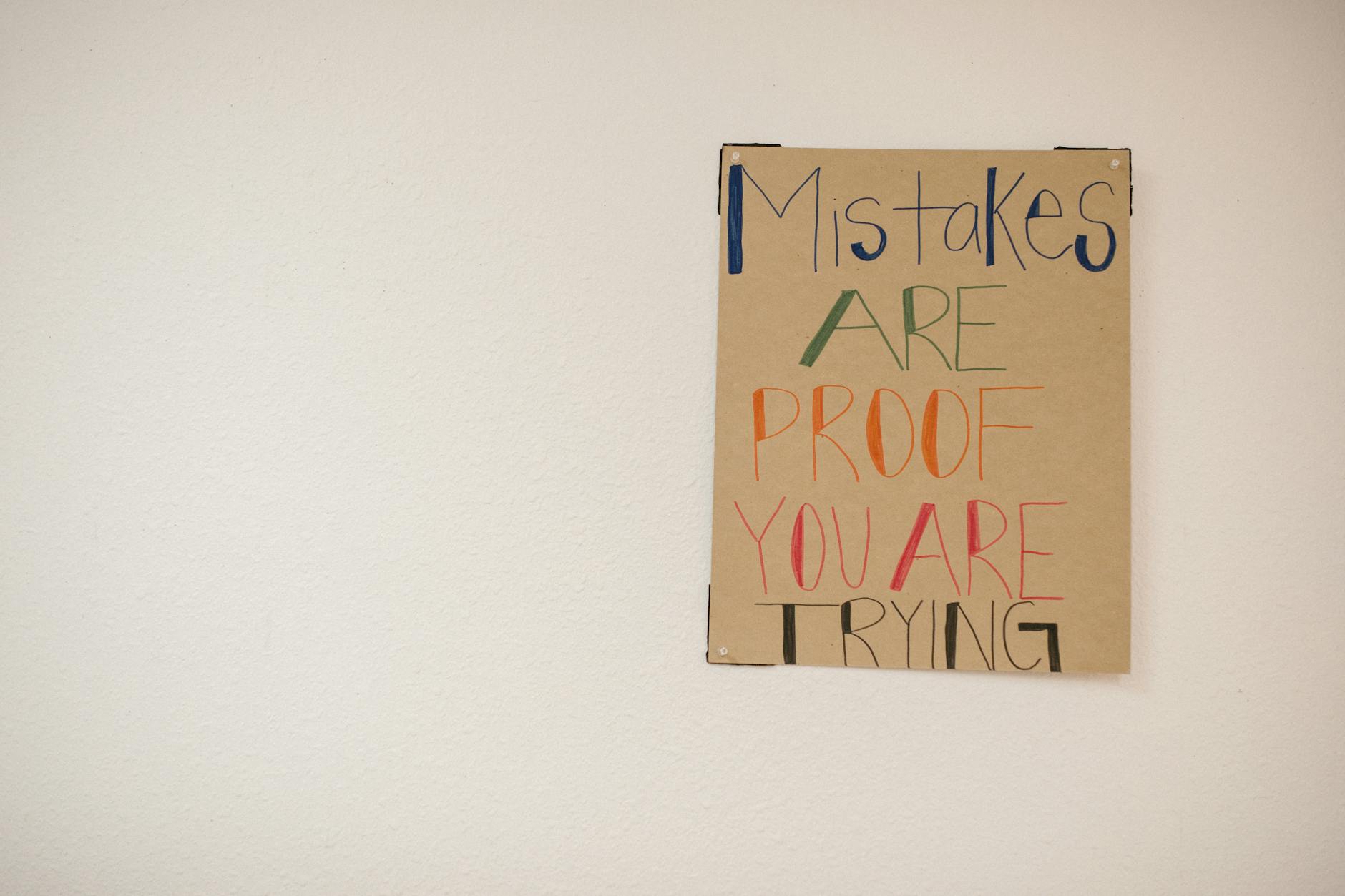
"Mistakes are proof you are trying" - A reminder for solopreneurs to embrace mistakes as learning opportunities in the ever-evolving landscape of business, especially when implementing new tools like Trello.
Feeling overwhelmed? Trello can help you take control of your solopreneurial journey.